
Randolph County Arrest Log Gap
Neither the sheriff's office nor county government publishes a 72-hour, seven-day, or weekly arrest blotter. The agencies post no coverage statement. There is no field list or photo rule. No posting schedule, archive depth, or roll-off policy appears. That makes claims about an online log's reach impossible to back up. A quiet page can't prove zero bookings either. The official route is a dated request. Send it to the Randolph County Sheriff's Office at 229-732-2525 or sheriff@randolphgasheriff.org. State the date range, the person's name, and the record type. Did Cuthbert Police, Shellman Police, or GBI handle the arrest? Ask that agency for incident material. Check RCSO too for county booking custody.
The official RCSO contact page is where a records request starts. It replaces guesswork about a missing public archive and points to the office that holds Randolph County booking records.
Read Randolph Arrest Reports Carefully
A solid multi-day record separates the event date from the publication date. It also names the reporting agency. Charges get labeled clearly. News coverage has gaps. A story may skip routine bookings, or updates can land after publication. It may run a photo an agency supplied. None of that turns a news index into a jail register.
- Record the arrest or incident date, not only the article date.
- Identify whether RCSO, a city police department, or GBI supplied the account.
- Separate the arrest charge from current jail custody.
- Confirm names and dates through the originating agency.
- Follow the case through the Randolph County court record for disposition.
A disposition is the court's recorded outcome. It might be a dismissal, a reduced charge, a plea, or a conviction. The booking record alone cannot answer that.
What Randolph Log Entries Need
No official published log sets a standard field set here. Treat any checklist as a request inventory. Ask the custodian which fields exist. Don't borrow fields from another Georgia county or an unofficial site.
| Requested field | Use |
|---|---|
| Full name and booking number | Match the correct intake |
| Arrest and booking dates | Build the true time sequence |
| Arresting agency | Locate the incident record |
| Charges as booked | Preserve the initial charge |
| Bond or hold | Read recorded release conditions |
| Release or transfer | Trace the custody change |
| Photo availability | Permit the agency to apply state law |
Give a multi-day request a clear start and end date. "All arrests ever" invites a cost estimate or a clarification call. Randolph County publishes no separate booking-photo fee schedule. Confirm any cost before work begins.
WALB Randolph Arrest Coverage
WALB's Randolph County page is the strongest active local-news source. It runs event-driven coverage. Dated articles appear as newsroom stories do, covering selected RCSO, Cuthbert, GBI, and public-safety events. A June 2026 report followed arrests after a stolen vehicle passed through Randolph County. It cited RCSO and used an agency-supplied image. That's good sourcing and selective photo use. It is not a complete log.
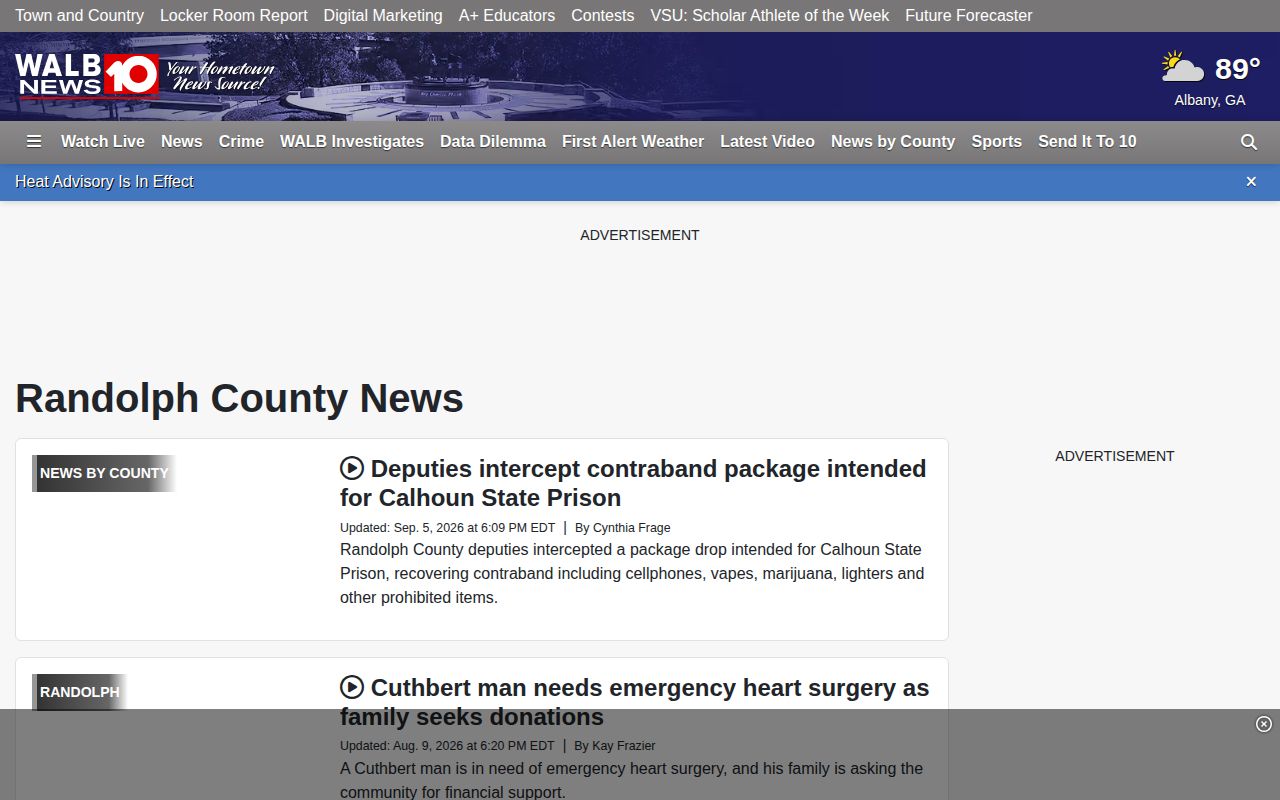
Treat the news index as a lead, not a jail register. A story can pin down an incident date or agency. Routine bookings may never become articles. And an arrest report can stay online after custody changes. Don't read it as live jail status.
Other Randolph Blotter Leads
The Southern Tribune is a Cuthbert-based local paper. It offers no searchable arrest blotter, daily booking list, or mugshot section. Its featured-news page is a starting lead, not an archive of everyone booked. The Georgia Bureau of Investigation posts official releases for selected state investigations. Those are event-driven too. They skip routine county intake entirely. The Southern Tribune featured-news page shows the paper's general coverage structure.
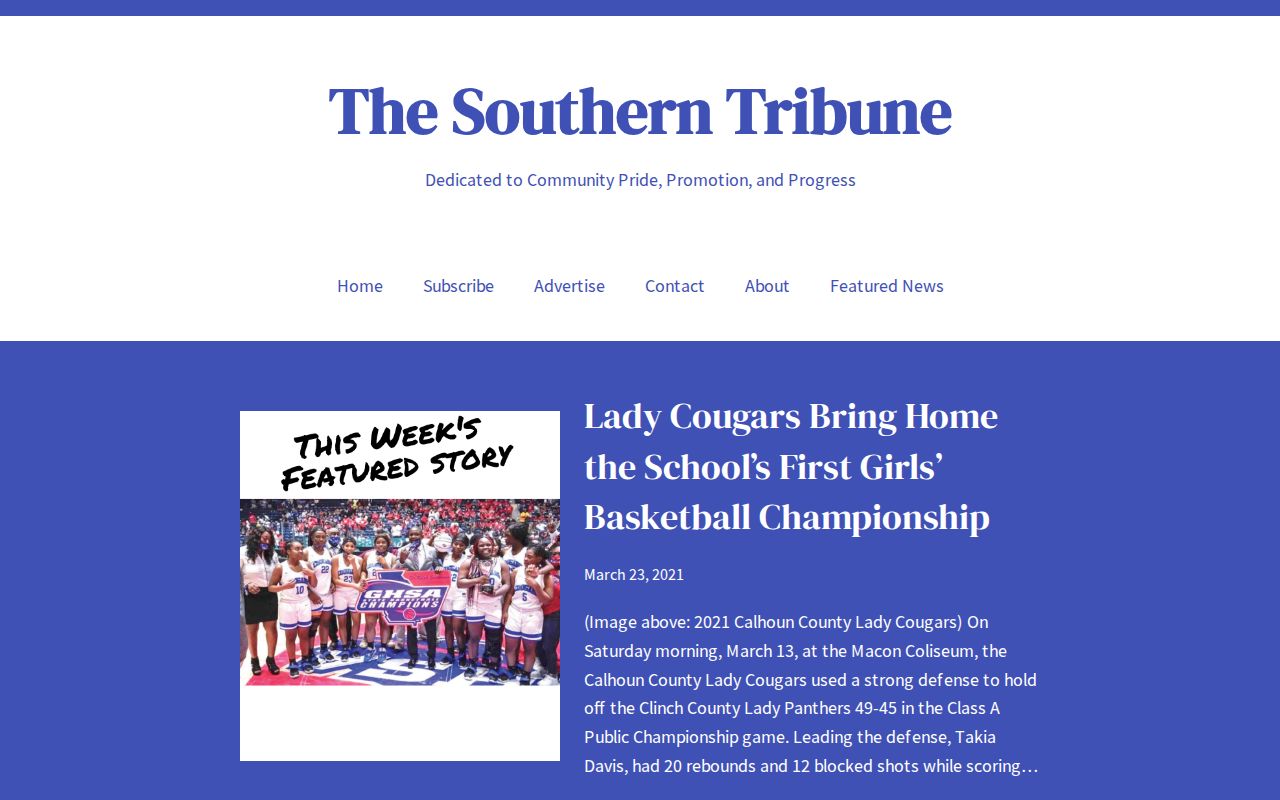
Secondary context like that should never be labeled an official Randolph County booking log. A GBI Randolph County release can corroborate one investigation. Official still isn't complete: GBI covers its chosen cases while RCSO holds the county jail booking records. Randolph counties in other states crop up on commercial sites. Those pages belong elsewhere. General mugshot aggregators can be stale or incomplete. Don't treat them as local sources.
Randolph Booking Archives and Retention
Georgia's local-government schedule keeps jail booking records ten years after release. Jail registers stay ten years after the last entry, and incarceration lists just one year. Those are retention periods only. They say nothing about online access. They also say nothing about RCSO's practice for a specific file or any web roll-off date. The Georgia Archives public-safety schedule supplies the official retention rules.
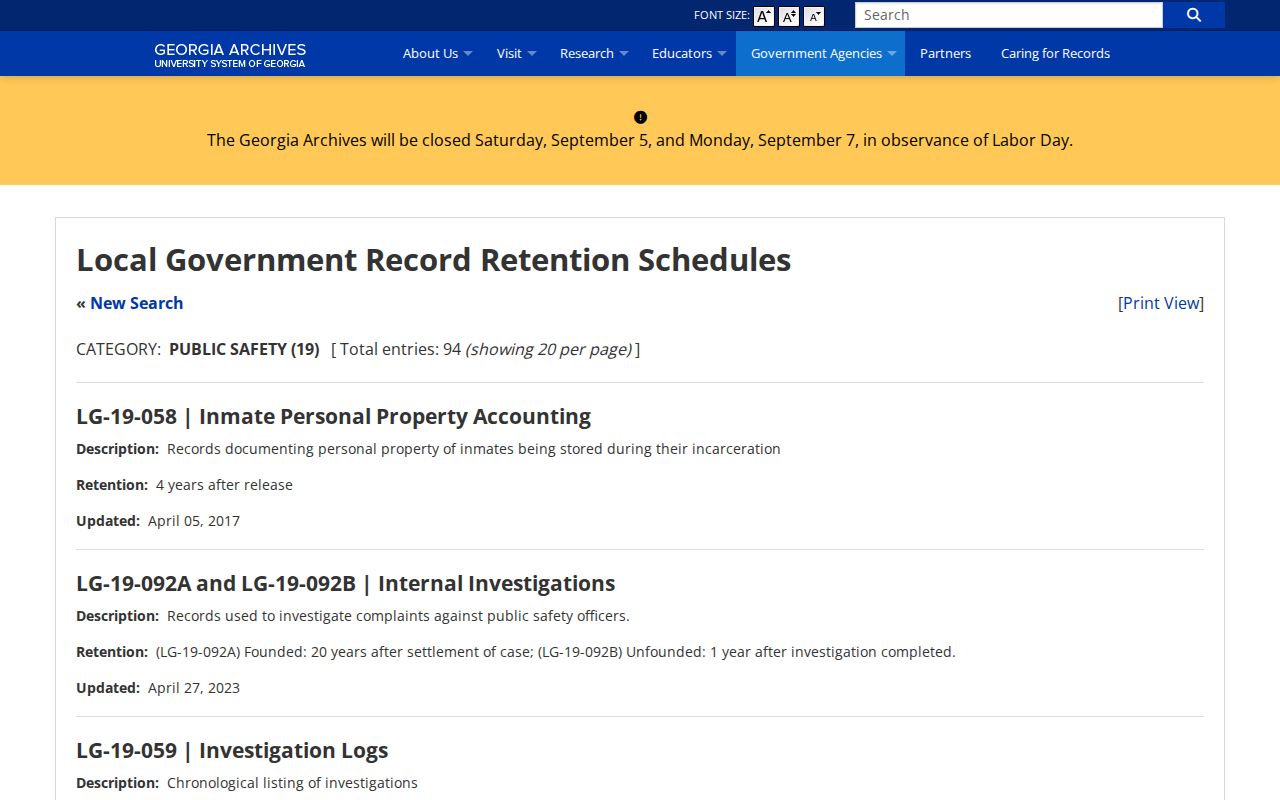
The schedule frames an old-record request but is not a searchable Randolph arrest database. Start any archive inquiry with RCSO. Give the person's name and an approximate booking date. Include the agency, the record type, and any known booking number. Ask for the receiving custodian if a record was transferred. Court filings may survive with the Randolph Clerk. A booking photo may never have entered the court file at all. Note: A retained record can stay restricted, and a vanished web page does not prove the original record was destroyed.
From Arrest Log to Court
An arrest log answers one question only: who was booked. The Randolph County Sheriff's Office handles jail custody. Its roster covers people held at the county jail. Someone released on bond drops off the custody list. The booking record lives on, though. For state prisoners, turn to the Georgia Department of Corrections locator instead. That system tracks sentences rather than every Randolph County arrest. When you need the outcome, court records are the place. Charges listed at booking are just the start of the story. Verify the original entry with the agency and the final result with the right court. Want only the newest bookings? The Randolph County 24 Hour Arrests workflow is a narrower path than this multi-day arrest log search.
Build a Dated Randolph Arrest Timeline
A multi-day arrest search works best as a timeline. Lay out the dates first. Note when the incident happened, when the arrest was reported, when jail intake occurred, and when a news item ran or was updated. Those dates rarely match. A weekend story posted Monday does not mean the jail delayed booking, and a later article update does not signal a second arrest.
Label the source beside each event. An RCSO booking record backs up intake and custody fields. A city police report reflects that agency's own account. WALB or the Southern Tribune shows what was publicly reported, while a GBI release covers a selected state investigation. The Randolph court file holds the later procedural events. This discipline keeps a selective story from passing for a full county blotter.
For a several-day pull, state inclusive dates and the exact record you want. Ask whether RCSO can search by booking date, arresting agency, or name. Do not assume its system offers every field. If a response skips a day, ask for clarification. Do not conclude no one was booked. Keep the request, the response, and the retrieval date so the scope stays clear.
Public Record Search
Sponsored Results